
Hair Transplant Frequently Asked Questions
At the Wimpole Clinic, we aim to make sure you have all the information you need to make the right hair restoration decision.
These hair transplants FAQs will answer any questions you have about hair transplant eligibility, surgery, aftercare, and more.




What would you like to learn more about?
General hair transplant FAQs
1.What is a hair transplant?
A hair transplant is a cosmetic procedure in which clusters of follicles — known as hair grafts — are transplanted from one area to another. Hair grafts are taken from a healthy donor supply (normally the back of your scalp) and implanted in areas affected by permanent hair loss.
2.Are hair transplants permanent?
Yes. Hair transplantation is a permanent procedure that can last a lifetime. While your hair may thin a little due to natural aging processes, transplanted hair isn’t affected by pattern hair loss, so it shouldn’t fall out quickly or leave you with substantial balding areas.
Native hair loss can continue around transplanted hair. That’s why it’s recommended that you only have a hair transplant after your native hair loss has stabilized, either through age or medical treatment.
3.Do hair transplants really work?
Yes. Hair transplants work in the vast majority of cases when they’re performed by a skilled, qualified surgical team. Wimpole has a 97% success rate for FUE and FUT hair transplantation.
4.How does a hair transplant work?
Hair transplants work by extracting follicular units (also known as grafts) from a donor site where the follicles are resistant to pattern baldness. There are two main graft extraction methods: FUE and FUT. FUE involves extracting each graft individually, using a micropunch tool. FUT is known as strip surgery, as it involves removing a strip of skin and dividing this into individual grafts.
Grafts are then surgically implanted in the recipient areas you and your surgeon have identified. After several months, the grafts start to produce new, permanent hair. Because the donor hair has a higher resistance to the hormones that cause pattern hair loss, they should last a lifetime, aside from natural age-related thinning.
5.Can I get a beard transplant?
Yes. Beard transplant surgery is available to eligible patients seeking a fuller, thicker beard. The technique is the same as for hair transplantation, except that the grafts are placed in the beard area rather than the scalp.
6.Can I get an eyebrow transplant?
Yes. Eyebrow transplantation is a common solution for overplucked, overwaxed, or naturally thin brows. It uses the same techniques as scalp hair transplant surgery, although FUE is usually preferred over FUT.
7.What are the different types of hair transplant?
There are two main types of hair transplant surgery: follicular unit extraction (FUE) and follicular unit transplantation (FUT).
FUE is the less invasive method. A micropunch tool is used to harvest hair grafts one by one, leaving a series of tiny wounds across the donor area. Each wound heals to create a tiny scar that’s virtually invisible, even under closely cropped hair.
FUT is slightly more invasive. The surgeon removes a strip of skin from the donor area, which is then dissected into individual hair grafts ready for implantation. The remaining wound is closed with stitches, leaving a thin linear scar in the donor region, which is hidden under longer hair.
The implantation method is the same for both methods. Some surgeons favor specific implantation approaches, such as direct hair implantation (DHI) and Sapphire blade incisions, which can be used for both FUE and FUT patients.
8.What do I need to think about before getting a hair transplant?
The decision to get a hair transplant depends on a few factors. Here’s what you should consider ahead of time:
- Your age — Patients under the age of 25 are often advised to use non-surgical treatments to stabilize hair loss before opting for surgery.
- Your general health — Patients in poor general health aren’t usually eligible for hair transplant surgery. If you’ve been diagnosed with any specific active health concerns, talk to your surgeon about your suitability.
- How much hair you’ve lost — Patients with extensive hair loss can expect different results from those with stable, early-stage hair loss.
- Whether you’re still losing hair — Ongoing hair loss should be stabilized before you can have surgery. Medical therapies can help. You may be advised to use them for 6-12 months before your surgery is scheduled.
- Your scarring tolerance — FUE has a lower risk of visible scarring than FUT. Your scarring tolerance will inform which procedure is recommended (although other factors are also used).
- Costs of surgery — Hair transplants require a significant upfront investment or a monthly payment commitment. Consider how you’ll pay for your surgery beforehand. You can discuss your payment options at consultation.
- Ongoing maintenance — A hair transplant can restore lost hair, but it won’t stop further hair loss. Younger patients and those with active hair loss often need to take steps to maintain their native hair even after a hair transplant.
- The surgical risks — FUE and FUT are considered low risk surgeries, but risks do exist. You must know and accept surgical risks, such as infection, necrosis, and procedure failure.
You can talk through all these potential concerns (and any others) at a free consultation with Wimpole US.
9.How much does a hair transplant cost?
The cost of a hair transplant varies from patient to patient. We base our costs on your required graft count, chosen technique, area treated, and other factors. Get a free quote when you schedule a consultation with Wimpole US.
10.How many hair transplants are successful?
Most FUE and FUT procedures are successful when carried out by qualified, experienced teams. The Wimpole hair transplant success rate is 97%.
11.How painful is hair transplant surgery?
There is some discomfort involved in hair transplantation. Most patients report that administration of the local anesthetic is the most uncomfortable part of the procedure. After this, you shouldn’t feel any pain until after the anesthesia wears off. During recovery, most patients manage discomfort with acetaminophen.
12.What is donor area management?
Every person has a finite number of grafts available in their donor area, so it’s important to use them carefully. Donor area management means planning for potential future surgeries to encourage good lifelong hair density.
Donor area management involves using fewer grafts to greater effect. Instead of taking as many grafts as we can, we take a conservative approach to graft extraction and place them with extreme precision to maximize your coverage. It means you have plenty of grafts left for future procedures, should you want them.
13.Can I have another hair transplant if I’ve had one before?
Yes, if you have enough donor hair left, and you meet all the other eligibility criteria. Many people have more than one hair transplant to tackle further hair loss or correct previous surgeries.
14.Do hair transplant results look natural?
Yes. Modern techniques means hair transplants can look virtually indistinguishable from your original hair when performed by experienced hair transplant surgeons. It’s all about precise graft placement that flows in line with your natural hair pattern, and minimizing scarring.
Eligibility FAQs
1.Are hair transplants suitable for women?
Yes, hair transplants are available to women as well as men. You’ll need to meet the same eligibility criteria, including having sufficient healthy donor density and being affected by permanent, stable hair loss.
2.Do hair transplants work for Afro textured hair?
Yes. Patients with Afro textured hair can have successful hair transplants. FUT may be recommended over FUE, due to the lower risk of graft damage during the extraction process. However, FUE is often available to patients with Afro hair textures.
3.Am I too old for a hair transplant?
There isn’t usually an upper age limit for getting a hair transplant. You just need to be in good general health, and have enough donor hair to achieve the density and coverage you want. Hair thins out naturally as you get older, so a surgeon can check if you have enough donor hair to carry out a successful hair transplant.
4.Am I too young for a hair transplant?
It is possible to be too young for a hair transplant. Legally, you must be at least 18 to have a cosmetic hair transplant. Many surgeons also have a personal minimum age requirement for FUE and FUT surgery (typically around age 25) as hair loss is often highly unstable before this age.
It’s essential that your hair loss is stable before you undergo a hair transplant. Younger patients may be advised to use medical therapies to stabilize any continuing hair loss ahead of surgery.
5.Can I have 2+ hair transplants?
Yes, you can have multiple hair transplants as long as you’re still eligible for further surgeries. Each hair transplant further depletes the donor area, so eventually you will run out of hair grafts. That’s why it’s so important to use medical therapies to maintain your hair.
6.My hair loss is pretty advanced. Can I have a hair transplant?
You may still be able to have a hair transplant, even if you’re in the latter stages of hair loss. It’s best to discuss your hair loss and donor availability directly with a surgeon. Schedule a consultation at Wimpole US for a free hair loss assessment.
Before surgery
1.What happens during the initial consultation?
Your initial consultation is an opportunity to get a medical hair loss and donor density assessment, so you know how many grafts are required for your hair transplant. You’ll also meet your advisor and surgeon, ask any questions about the procedure and recovery, and get a written cost quote, which is valid for six months.
2.What health conditions should I tell the clinic about?
You should tell the clinic about any active diagnosed medical conditions you have, plus any previous diagnoses from your medical history. They can assess your current health status to ensure you’re fit to undergo a hair transplant.
3.What are the risks of having a hair transplant?
FUE and FUT are considered low-risk procedures, but like all surgeries, they carry some risks. These include:
- Infection
- Scarring
- Poor graft growth
- Prolonged scalp numbness
- Temporary shock hair loss
- Necrosis
Your surgeon will talk to you about all these risks — and what you should do if you experience symptoms — ahead of your procedure.
4.How should I prepare for my hair transplant?
Yes. You may need to make certain changes to your routine to lifestyle in the days and weeks before your hair transplant. These include:
- Washing your hair the morning of or night before your procedure
- Stopping smoking at least 24 hours beforehand
- Don’t drink alcohol for at least 48 hours beforehand
- Don’t exercise for at least 48 hours beforehand
- Don’t take aspirin for at least 7 days beforehand
Your surgeon will advise you of any other pre-hair transplant preparation you should do.
5.Can I smoke before my hair transplant?
No. You should avoid smoking for at least 24 hours before your hair transplant. Smoking can impair healing and affect blood flow. You should also avoid vapes and nicotine patches for the same reason, although these are preferable to cigarettes if necessary.
6.Can I drink alcohol before my hair transplant?
No. You should avoid drinking alcohol for at least 48 hours before your hair transplant.
7.Can I work out before my hair transplant?
You can continue any exercise up to 48 hours before your hair transplant. Stop doing any moderate exercise after this point, as it can affect blood flow.
8.Should I cut my hair before my hair transplant?
Not unless you’re advised to by your surgical team. It’s normally preferred for you to arrive with your normal haircut. The team can then trim or shave your hair to the required length.
9.When do I need to wash my hair before my hair transplant?
Ideally, wash your hair the morning of your surgery. Otherwise, wash your hair the night before.
10.I have a fear of needles. Can I still have a hair transplant?
Yes. Many patients with a fear of needles have successful hair transplants. Needles are an essential part of the hair transplant process, as they are needed to administer the local anaesthetic. But we can talk you through helpful supportive options, such as sedation.
Day of surgery
1.Should I eat breakfast before my procedure?
Yes. We recommend eating a light healthy breakfast, avoiding caffeine if possible.
2.What should I wear during my hair transplant?
Wear a button-down or zippable top so you can remove it without disturbing your grafts later.
3.How long does a hair transplant take?
It depends on a few different factors, including the number of grafts you need, your chosen technique, and any complicating factors. Most procedures take around 6 to 8 hours. FUE tends to take slightly longer than FUT.
4.I have trypophobia. Can I have a hair transplant?
Yes. Most patients with trypophobia aren’t triggered by the hair transplant process, but you should mention any relevant phobias to your surgical team so they can minimize the risk. They may be able to bandage your head to help limit triggers, or provide a sedative to make you feel more at ease.
5.What happens when I arrive at the clinic for my hair transplant?
You’ll be asked to arrive a little earlier than your scheduled surgery to prepare you for the day. Your new hairline will be drawn on and your surgeon will review your medical history.
Local anesthetic will be injected into your scalp, and you may be offered a mild sedative. When you’re relaxed and your scalp is numb, the procedure will start.
During the procedure, you can watch a film or TV show, listen to music, or even take a nap. There will be the opportunity to have lunch and take breaks throughout.
6.What happens after the procedure?
When the procedure is finished, your surgeon will dress your wounds and talk you through the aftercare process to help your hair transplant heal. It’s important to follow these recommendations closely to give your hair transplant the best chance of success.
Your surgeon will dress your wounds and discuss the aftercare and recovery process with you. They’ll give you a comprehensive aftercare pack and clear instructions. Follow the instructions given to optimize your short-term healing and long-term results.
7.Can I drive home after hair transplant surgery?
You may be able to drive home if you haven’t received a sedative, though we usually advise patients to get a taxi or ask someone else to take them home after their procedure. If you have had a sedative, you won’t be able to drive home.
Aftercare & recovery
1.What’s the aftercare process following a hair transplant?
Hair transplant aftercare involves managing your discomfort, protecting your grafts, and getting plenty of rest. You’ll be advised to:
- Manage pain and swelling with the medications provided
- Spray your grafts regularly with saline spray to promote healing
- Sleep in specific positions to avoid dislodging your grafts
- Washing your hair following specific instructions
- Returning to the clinic to have your stitches removed (FUT patients only)
Following the clinic’s aftercare advice will help encourage fast, healthy healing and optimal long-term outcomes.
2.How will hair transplant recovery affect my normal routine?
You’ll need to get plenty of rest for the first week or two after your surgery. Patients should avoid the following activities within the first month to optimize recovery:
- Alcohol — avoid for 4+ days after surgery
- Sex — avoid for 6+ days after surgery
- Exercise — avoid for 2+ weeks after surgery
- Swimming — avoid for 4+ weeks after surgery
- Sun exposure — avoid for 2+ months after surgery.
Ask your clinic for advice on any specific activities not listed here.
3.When should I wash my hair after a hair transplant?
Your first hair wash normally happens 3 days after your procedure. However, you won’t be able to wash your hair normally for at least a week or so. The clinic will tell you how to wash your hair after your hair transplant to promote safe scab removal.
4.When will my stitches be removed?
FUT stitches may be dissolveable, in which case they won’t need to be removed. They’ll fall out by themselves after a few days.
If you need to have your stitches removed, this is normally arranged for 10-14 days post-procedure.
5.How should I sleep after my hair transplant?
Sleep with your head elevated for the first 4-5 nights (either in a recliner chair or with a stack of pillows to keep your head upright). This helps reduce swelling and protect your grafts.
6.Will I need to take time off work?
Yes, you will need to take a few days off work. The exact amount of time off work you need depends on the nature of your work. Physical or manual jobs will need more downtime than desk jobs.
7.How long does hair transplant recovery take?
Hair transplant recovery normally takes around 14 days, but regrowth takes much longer. After 2 weeks, your scalp should look fairly normal aside from some lingering redness.
8.When will I see my hair transplant results?
Early signs of hair growth after a hair transplant can appear from around 3 to 6 months. For most patients, full density is visible after 12 to 18 months.
9.When will my hair transplant look normal?
Hair transplants can look normal from around 2 weeks after the procedure. At this point, the swelling has gone down and most of the scabs should have come away safely, though your scalp may still look red.
If your head was shaved for your surgery, you’ll need to wait a few months for the hair to regrow.
10.Why is my new hair falling out after a hair transplant?
Shock hair loss is a known side effect of hair transplant treatment. It happens as your grafted hairs move into the shedding phase of the hair growth cycle. The shedding lasts for a few weeks before the grafts start to produce new hair.
11.When can I dye my hair after a hair transplant?
Wait at least 4 weeks to dye, bleach, or color your hair after a hair transplant. Always perform a patch test when using home box dyes, even if you’ve used the product before. Check with your clinic if in doubt.
12.When can I shave or cut my hair after a hair transplant?
It’s normally safe to cut your hair around 3 weeks after your procedure. Check with your clinic if in doubt.
13.Will I have any scars from my hair transplant?
FUE patients experience very little visible scarring. Any scars are small microdots at the back of the scalp. These are normally covered by hair growth.
FUT patients will have a thin, linear scar in the donor area. This is normally covered by longer hair, but may be visible under closely cropped hair.
14.I’m still losing hair after a hair transplant. What should I do?
Native hair loss can compromise the long-term look of your hair transplant. Medical treatments like minoxidil and finasteride are often recommended to stabilize native hair loss and keep your hair intact for longer.
Speak to your clinic if you think you’re starting to lose more hair after a hair transplant. They can bring you in for assessment, then recommend the next treatment steps.
15.When can I swim or work out after a hair transplant?
You can swim around a month after your hair transplant procedure. Exercise can start sooner, around 2-3 weeks after your surgery, as long as your scabs have completely healed. Ask your patient advisor if you’re unsure.
16.When can I drink alcohol after a hair transplant?
You should avoid drinking alcohol until at least 7 days after your hair transplant surgery.
17.Should I wear sunscreen on my hair transplant?
No, you shouldn’t apply sunscreen to your scalp while your hair transplant is healing. Stay indoors or in the shade at all times during the first couple of weeks. When all the scabs have healed, you can start to wear sunscreen on your transplanted areas. It’s best to wear a high SPF (50+) sunscreen to protect your skin and grafts from the sun.
18.When can I wear a cycle helmet after my hair transplant?
Wait at least 10-14 days before wearing any kind of bike or motorcycle helmet after your hair transplant. Helmets carry a risk of graft dislodgement before all the scabs are healed.
Our surgeons are registered, regulated and accredited by





Fifty years of results
Three FUE hairline transformations, before and after. Real results from top US hair transplant surgeons.
Photographs are of actual Wimpole patients, published with written consent and not retouched. Individual results vary and are not guaranteed.

Natural-looking density for sun protection and confidence in this patient’s golden years.
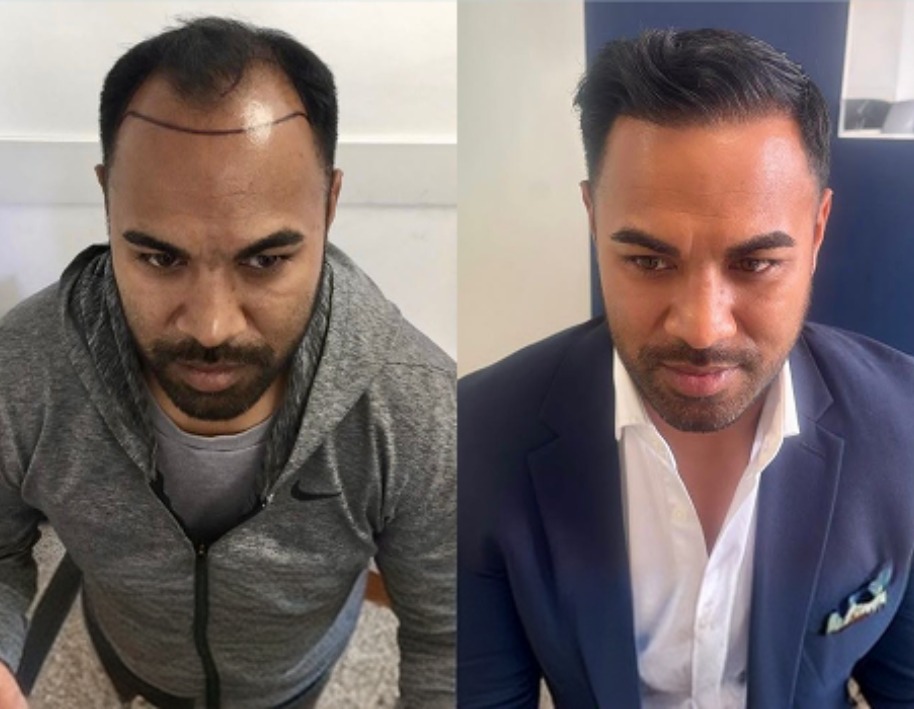
Hairline rebuilt using FUE, creating optimal density, coverage, and shape.
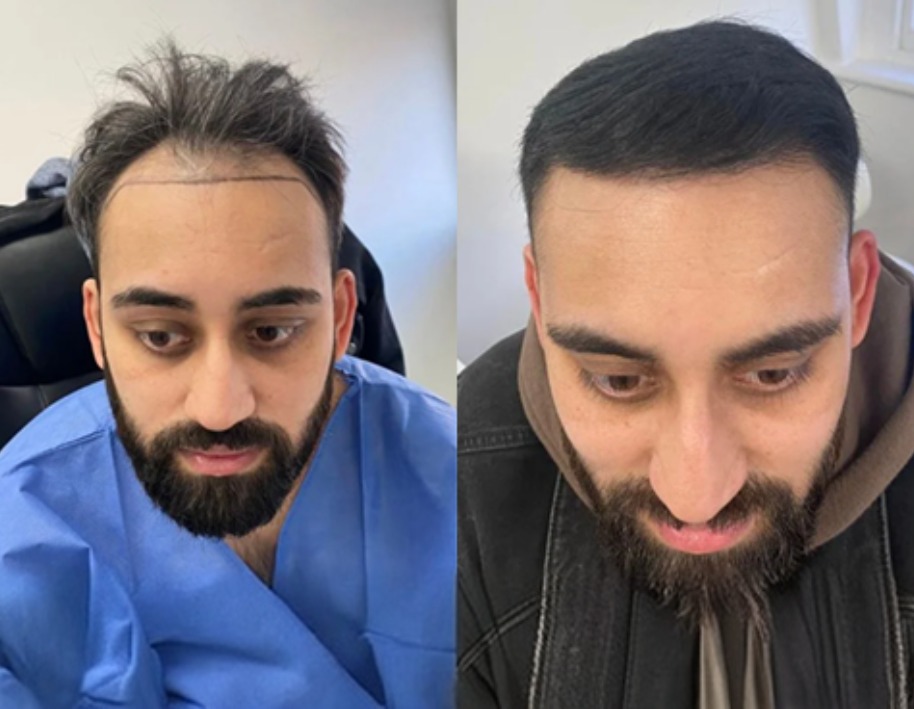
FUE hairline restoration resulting in youthful, natural-looking temple coverage.
“I'm much more confident in how I look, how I feel.”
James shares how hair loss affected his confidence throughout his 20s, what the transplant and recovery were like, and how the result changed everyday life – from swimming and holidays to simply feeling comfortable in his own skin.
Schedule your consultation
Get a free graft quote, donor hair assessment and honest treatment advice when you schedule a consultation with Wimpole US.
- No cost and no obligation
- In Miami, New York or by video
- Quotation valid for six months
Prefer to talk? Call +1 (786) 266-2848, Monday to Saturday.
Schedule Free Consultation
Simply fill in your details and we’ll get in touch with you shortly.